Be yourself; Everyone else is already taken.
— Oscar Wilde.
This is the first post on my new blog. I’m just getting this new blog going, so stay tuned for more. Subscribe below to get notified when I post new updates.
Be yourself; Everyone else is already taken.
— Oscar Wilde.
This is the first post on my new blog. I’m just getting this new blog going, so stay tuned for more. Subscribe below to get notified when I post new updates.
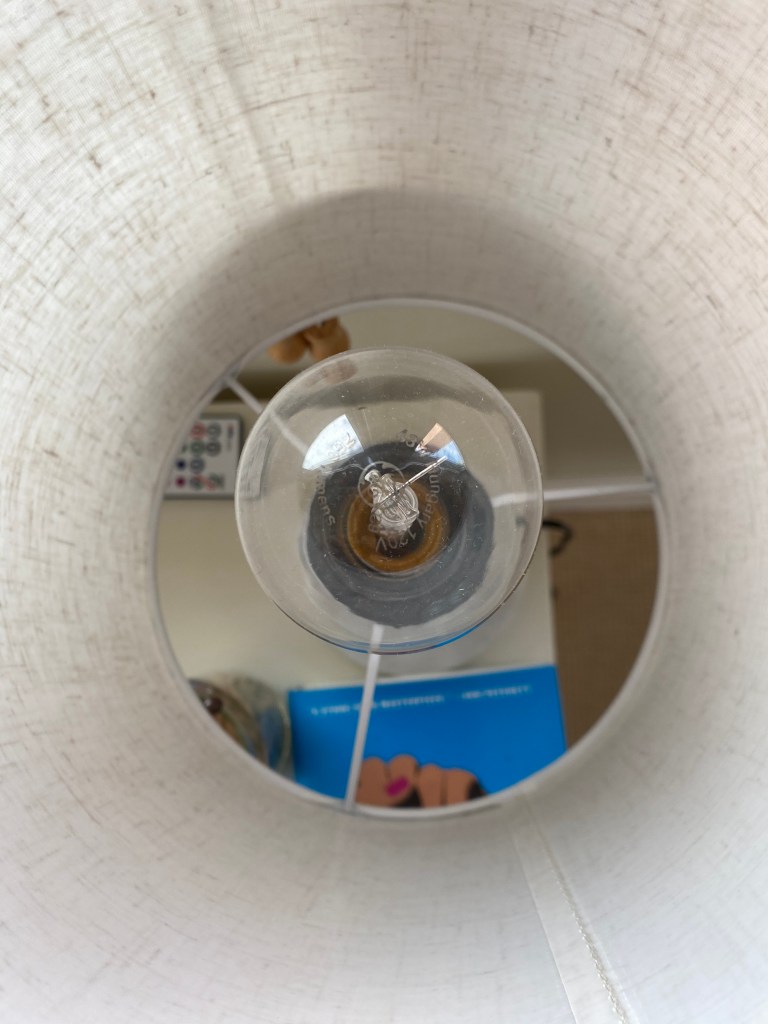
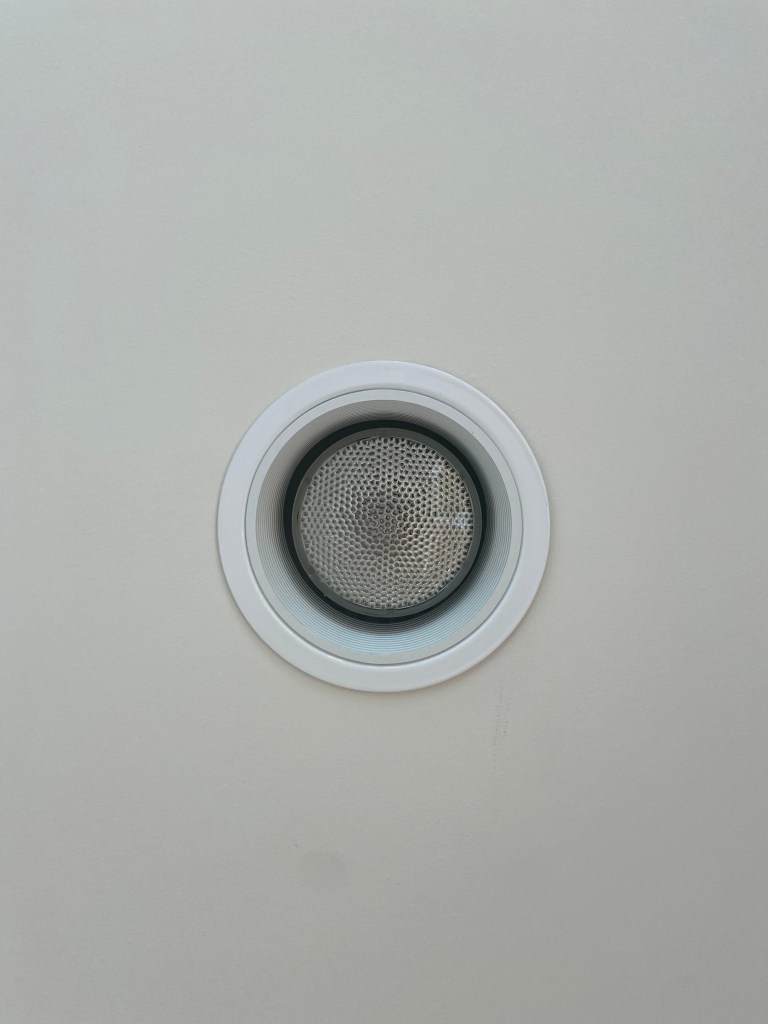
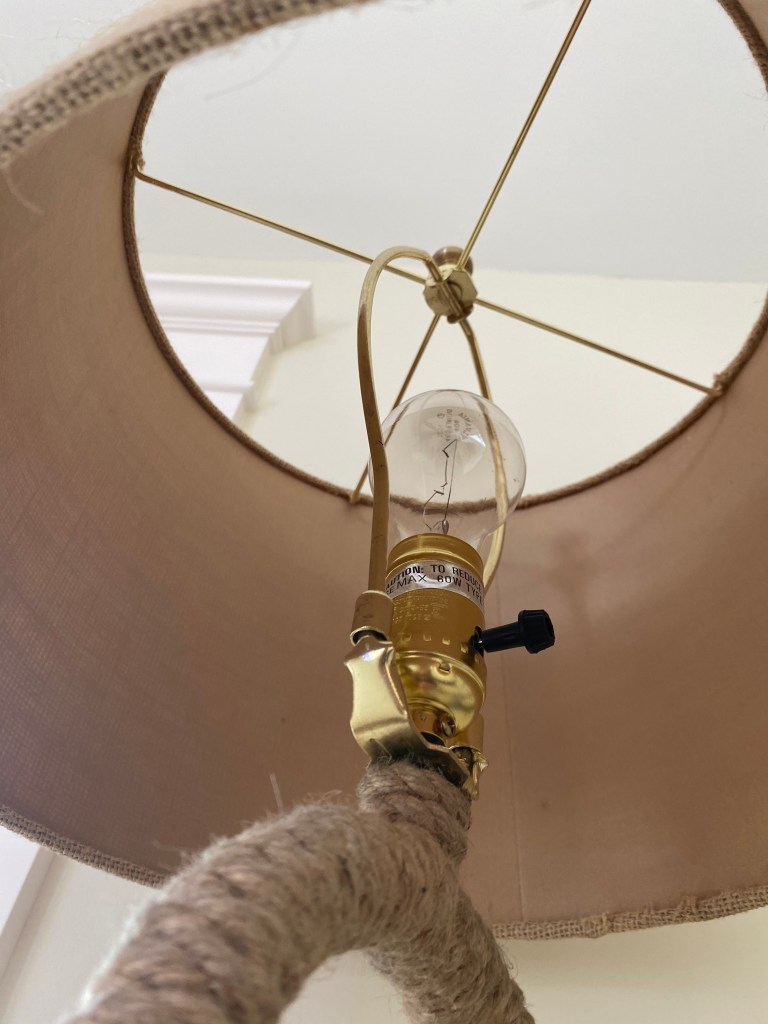
Since the COVID-19 crisis has us all stuck at home, that means we do school from home to!! For my AP Environmental Science class online, we had an assignment to do an inventory of our refrigerators and lights in our house. We were challenged to find the wattage of each light and of each fridge. Along with finding the hours of operation, location, kWh per day, and cost per kWh.
Here is my inventory:
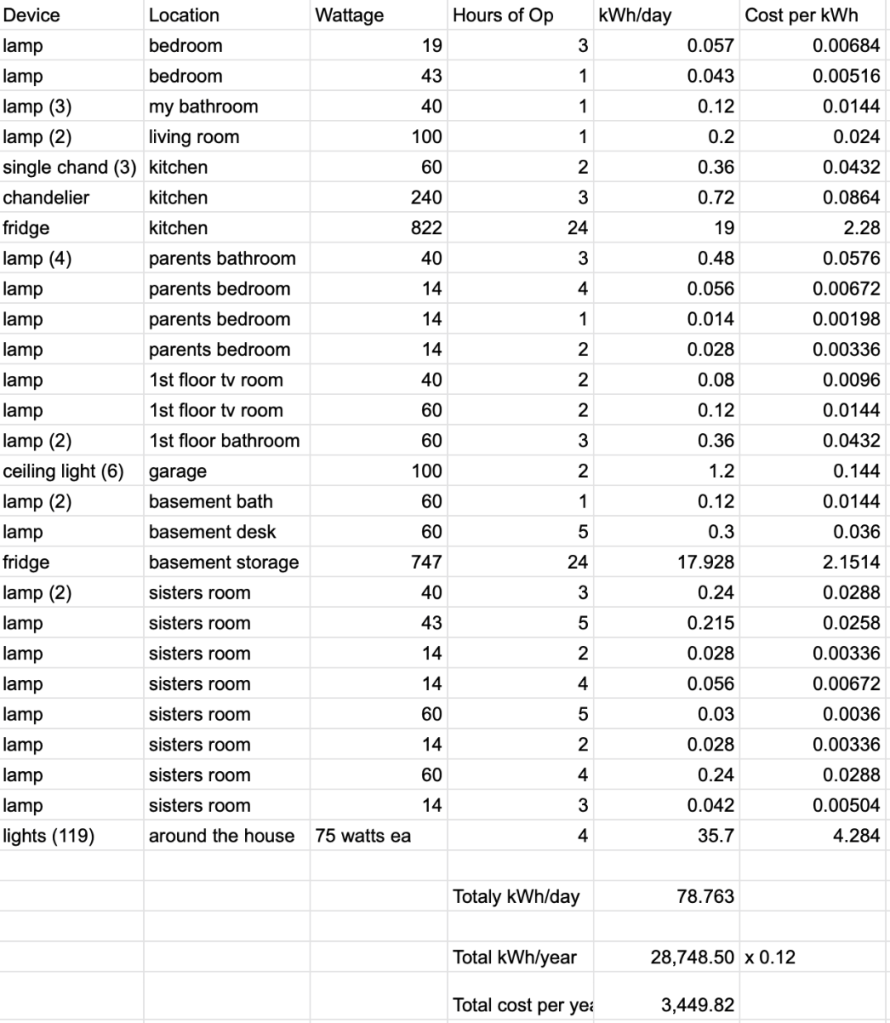
After we finished our inventory, we calculated the total kWh per day, total kWh per year, and then the total cost per year. For the total kWh per day, you would add up all of kWh that your devices use. For the total kWh per year, you would multiply the kWh per day by 365. To get the total cost per year, you would multiply whatever the cost is for your state, in Massachusetts it is $0.12, by the total kWh per year.
The next part of the assignment was to calculate our GHG emissions. To do that, you first have to find your states electrical source percentages. In Massachusetts, the electrical source percentages are: 66% natural gas, 15% nuclear, and 7% solar. Once we found those, we had to calculate the mmBTU’s for each source. That equation is:
annual kWh/year x percentage of source x 3412/1,000,000 = ____ / mmBTU
We then calculated the CO2 output for each source. Luckily for me, only natural gas produces CO2, solar and nuclear do not. We were given the kg of CO2 produced per mmBTU for each energy source, and our job was to use our data to figure out how much CO2 we are producing. The next step was to find how much you would have to pay if there was carbon fee of $15 per metric ton. We had to convert our kg of CO2 into metric tons of CO2 (1000kg = 1 metric ton), and once you got how many metric tons you produce, you multiply that number by 15, to get the annual cost of your carbon emissions.
Here is my table:

Can I drawdown my emissions to zero?
I do think that I could make adjustments to my household and to the way I live to not produce any emissions. Although it would be very hard, I think it could be possible. Especially because two fo the three biggest energy sources in Massachusetts don’t produce any emissions at all. To do that, I could get LED lights, be more cautious of when things are plugged in and when lights are on, etc. However, even though I think I could achieve that goal because of the low amount of CO2 emissions I produce, I do not thin it is entirely realistic because of the number of devices in my house and because of the way we live these days, technology and electricity is everywhere and the more there is, the more CO2 emissions there will be.
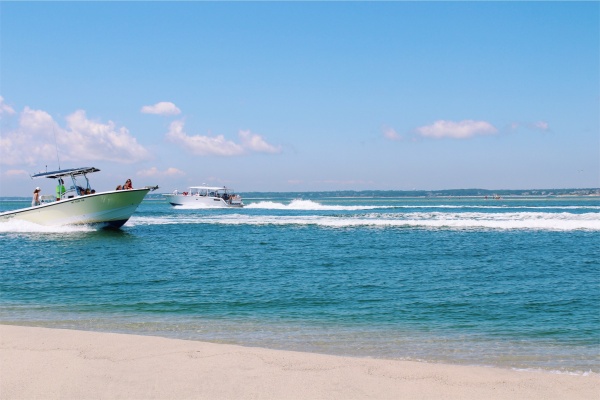
During this time of quarantine because of the COVID-19 crisis, I have been living at my summer house in Chatham, Massachusetts. Cape Cod is in particular danger of climate change because we are surrounded by the ocean here. I have grown up living in Chatham for summers and before I ever learned about climate change and the damage it can do, I noticed the effects of it.
I remember coming back to Chatham every single June of every year of my life, and every year, the beaches would be drastically different. Chatham is the elbow of Cape Cod, where there are tons of beaches and islands just off the coast. One of them is Monomoy Island, along with south beach, north beach, and so many others. South beach is a very popular beach destination in the summer, however every year there is a new channel and a new beach. Climate change has been causing a lot more storms. All of the huge storms, the waves, wind, etc. have been hurting our beaches a lot. The rise in sea-level has also affected beaches and other coastal areas along the cape and it will continue to for a long time. The rise in sea-level and all of the storms have contributed a lot to a lot of other things too, like coastal wetlands being destroyed, especially salt marshes. Richard Delany said this in an interview with Wicked Local Chatham, “However with roads and parking lots [in the way] the marsh can’t migrate,” Naturally, salt marshes migrate towards land, however because of climate change and because of human civilization, like streets and parking lots being built, marshes are not able to migrate and they end up not surviving. 36% of Nauset salt marsh has disappeared since 1984, 25% of the marsh in Hatches Harbor, Provincetown has disappeared, and 42% of the marsh in Wellfleet’s Herring River system has disappeared, and this is all because of climate change. The president of the Center for Coastal Studies, Richard Delaney, had a few remarks about climate change, one of them was this, how he really does think that if we can’t find any solutions to climate change, our world will be a lot different.“Climate change is a moral problem for humanity and I hope we make a wise decision about the future of the planet,” he said. “It will be a drastically changed world if we don’t take some action.” One of Richard Delaney’s main focuses is to educate people, make people aware, and when they see what is happening to our own planet, they will want to change their habits and they will want to do anything they can, to make our planet healthy again. Richard Delaney and all of the organizations that are climate change related on the cape are also concerned about the ocean as a whole. Since Cape Cod is surrounded by water, by the ocean, it is very important to us and it is a big part of our lives here. Delaney also said this, “We are so connected to the ocean. Half of the oxygen we breathe is created in the ocean. There is a lot of phytoplankton in the first few millimeters. So if we do a profound chemical change to the ocean we’ve affected a key component (of life),” He said this in concern for the whole entire ocean, every ocean, and place on land that is affected by damages done to the ocean, and it is particularly important for us here on Cape Cod, because half of the oxygen we breathe, comes from the ocean.
To act on all of the climate change issues in Cape Cod, several organizations have been founded. There are organizations like these all over Cape Cod. One that I came across is the Cape Cod Climate Change Collaborative. They have volunteers, groups, stories, members, articles, and many other things that educate and act on climate issues in Cape Cod. This organization, along with many others hold events and gather people to do beach clean ups, fundraising, and so many other things. A lot has been done on the cape to prevent and try to slow down climate change through all of these non-profit organizations however we know that sea-level rises are coming and we know that more storms are coming. To help with that, there are a lot of areas of Cape Cod that don’t allow houses to be built there or sometimes they don’t even allow people to walk along these areas. These areas are protected for birds and to keep nature around, they are also there because if and when the sea-level rises, whatever is built there would be underwater. There are a lot of issues regarding climate change in my local area of Chatham, Massachusetts, however there are also a lot of people and companies that are trying to fix those issues. It is a lot of work, and requires a lot of patience, and Cape Cod may suffer greatly from the consequences of climate change, but I do believe that if we work together and if we educate people in our areas, we can get to where we want to be.
Sources:
After we collected our trash for a week, we finally made it to the Andover transfer station!! I did not have very high expectations for the transfer station, however it was very interesting and I really enjoyed our time exploring the transfer station.
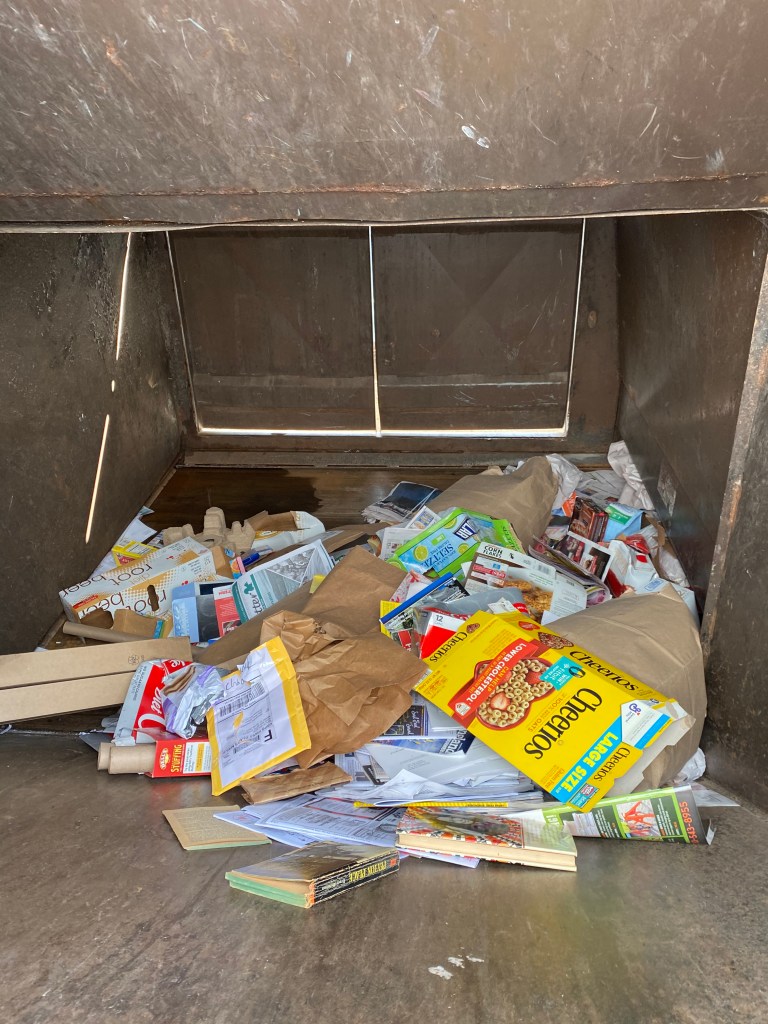
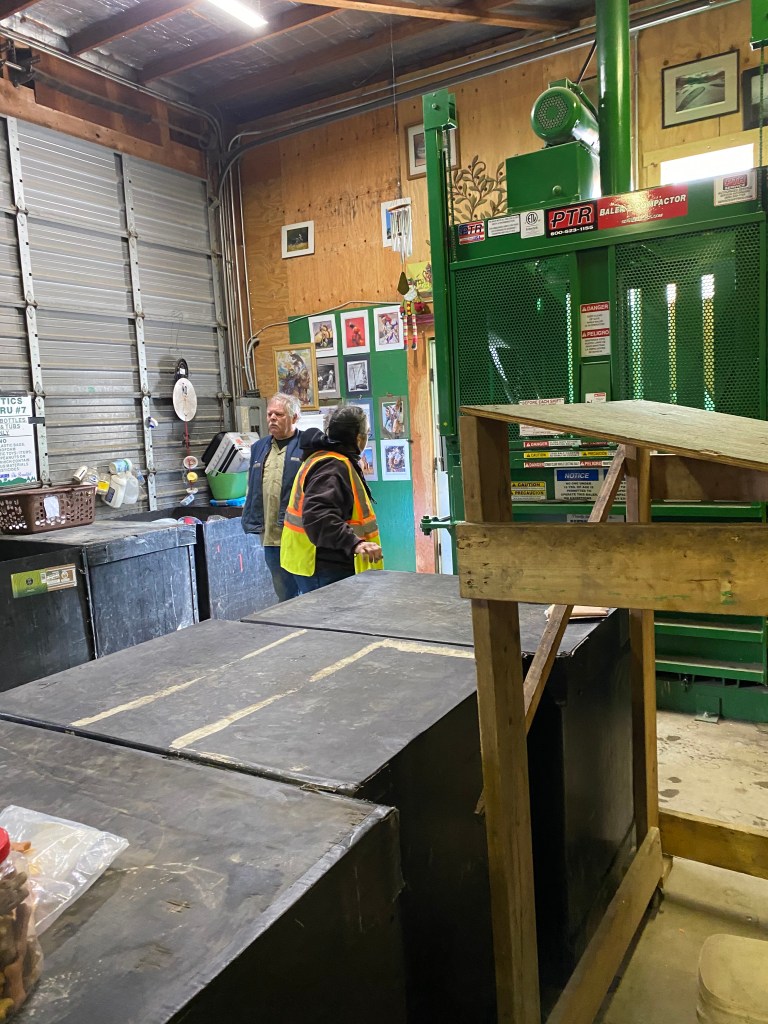
A lot of different things we had been talking about in class weeks before, we actually got to witness and learn more about at the transfer station. At first, we drove up and went to throw out our trash in something called the “Hopper.” The Hopper is a big machine that people throw their trash into and the hopper will crush and and move it into a big trailer like dumpster. The next thing we visited was the the building for recycling. Going to this building was definitely my favorite part about our visit to the transfer station.
In the recycling building there were a bunch of different areas and sections for different things you can recycle. Going into that building, I was baffled by looking at some things that people have thrown out, or wanted to throw out. I stood in the middle of this room and looked up at all of the different paintings and different pieces of artwork just wondering why anyone would throw these out. To the left of me, there was a table with books, cds, shoes, games, and a lot of other things that people could still use and could still own. The people who work at the transfer station really gave us a lot of good information about what kind of trash they see the most, what they do with it, and they had some funny stories about weird things they have found in the trash and recycling. They told one story about a pizza box. “We once opened a pizza box that someone there out and there was half of a pizza in it.” -Transfer station guy. That quote really made us all laugh and it showed how some people don’t know how to recycle.
One thing that the people who work at the transfer station said and they really try to emphasize that if you are recycling paper and cardboard it is key that you keep it clean. Nobody will buy it from the transfer station if there is anything that is not paper or cardboard and if it has any rips in it. “They want clean and dry paper, if someone gave you a bowl of M&Ms that had saw dust poured all over it, you wouldn’t eat it but you would if there wasn’t any saw dust. It is the same thing with paper.” -Alan. Alan our APES teacher, gave us a good analogy about why people don’t want want the dirty paper and cardboard. Someone wouldn’t eat M&Ms covered in saw dust, but nobody would ever think twice about a big bowl of nice clean M&Ms.
Overall, our trip to Andover, New Hampshires transfer station, was so fun and full of learning. My favorite part was the recycling building and seeing all of the different things people have thrown out. Another interesting thing we learned about was how different towns and cities, usually depending on how big the town or city is, use different methods to get rid of trash. Small towns usually have transfer stations like Andover, and larger towns and cities will have curbside pickups, material recovery facilities, and landfills/incinerators.
Our assignment to collect trash, the lab, and our visit to the transfer station taught me a lot and some things that I won’t ever forget. Ever since Ocean Classroom, my awareness for issues regarding pollution and trash has really kicked in and every assignment I get, or just in my regular day, I pay extra attention to the trash I am producing and where all of it is going. I also try my best to avoid producing a lot of trash to help save our earth. Transfer stations are not a place you visit on your regular routine day, however it is really worth the trip because of the things you will observe and the things you will learn which you will never forget.
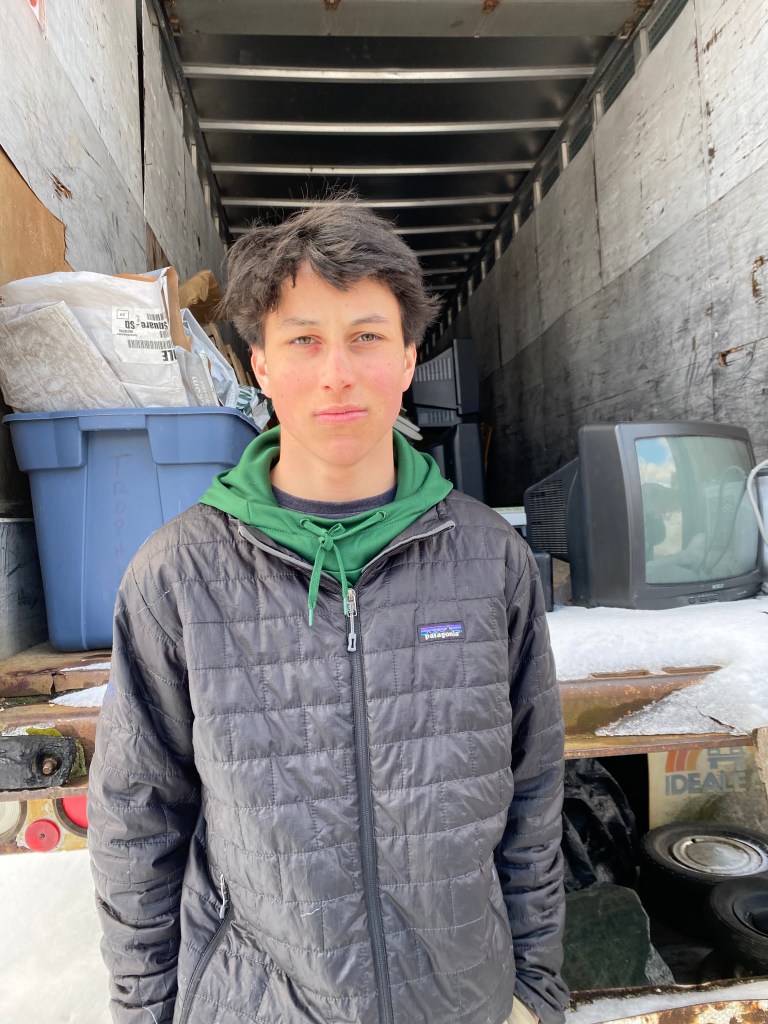
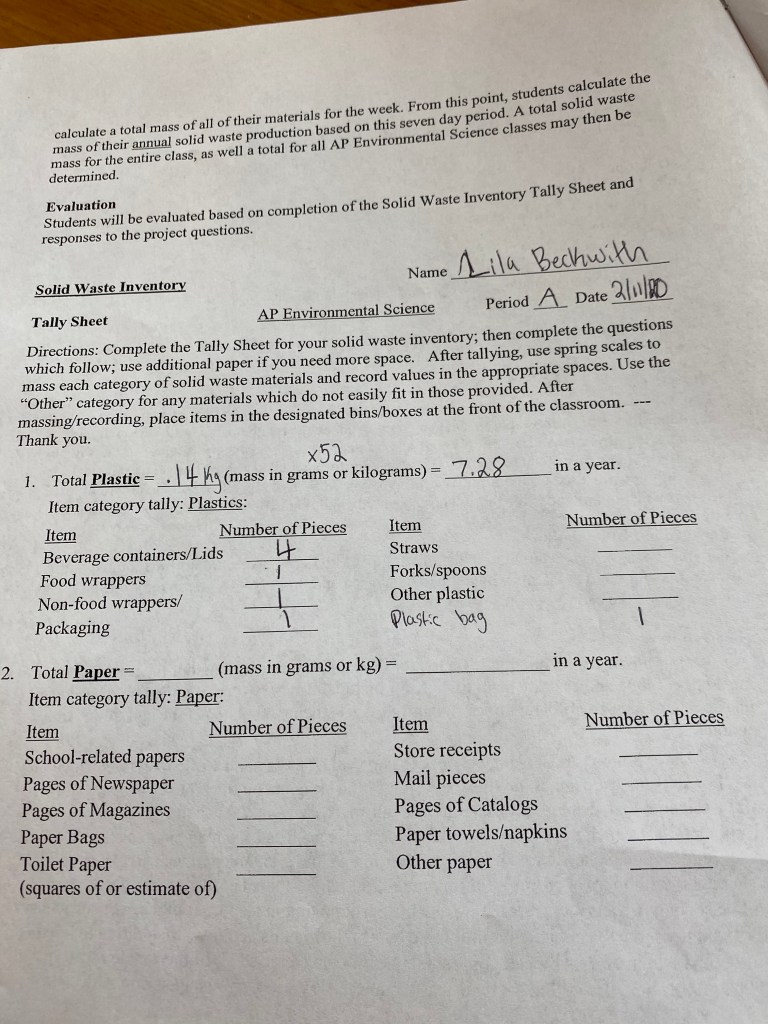
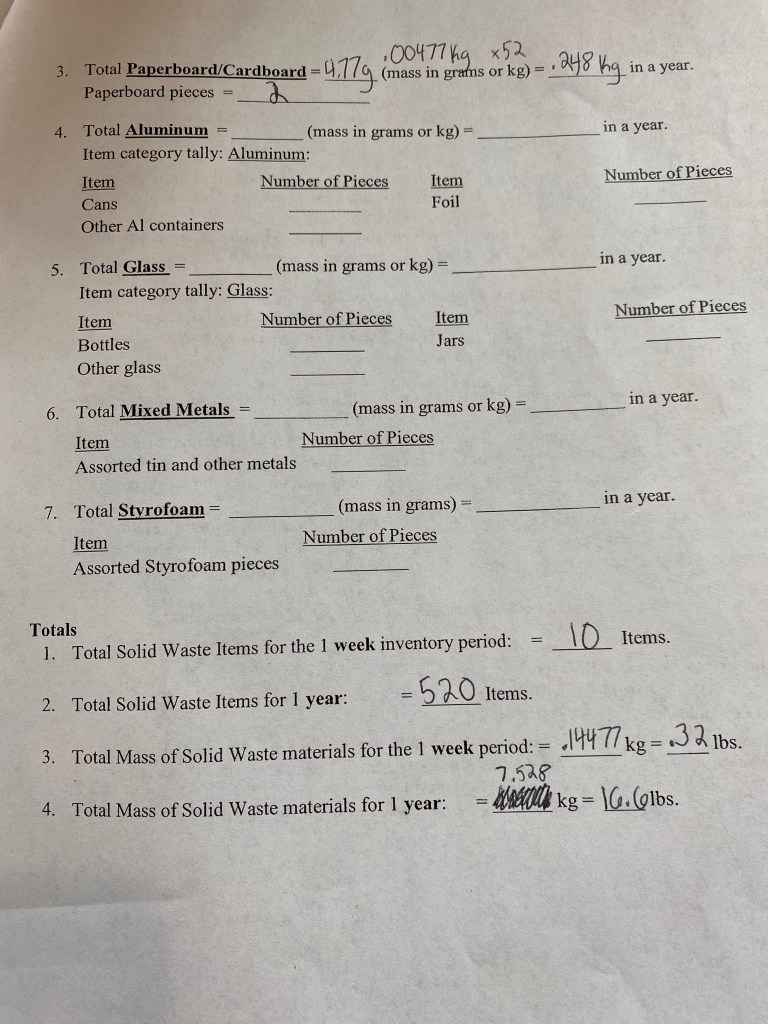
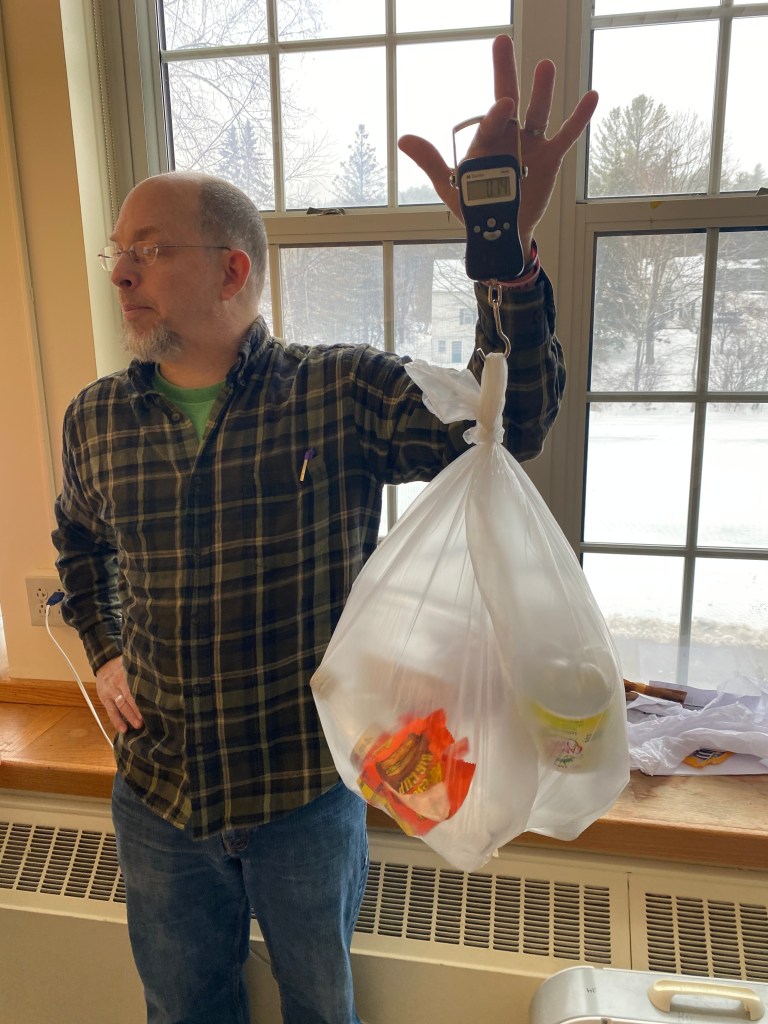
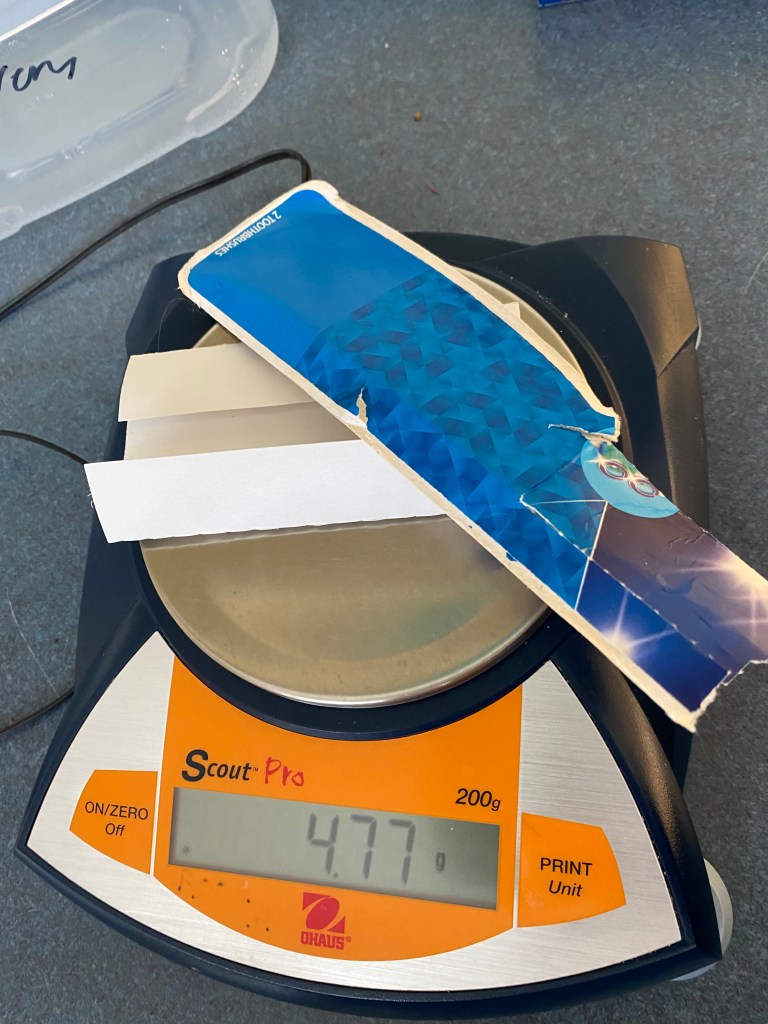
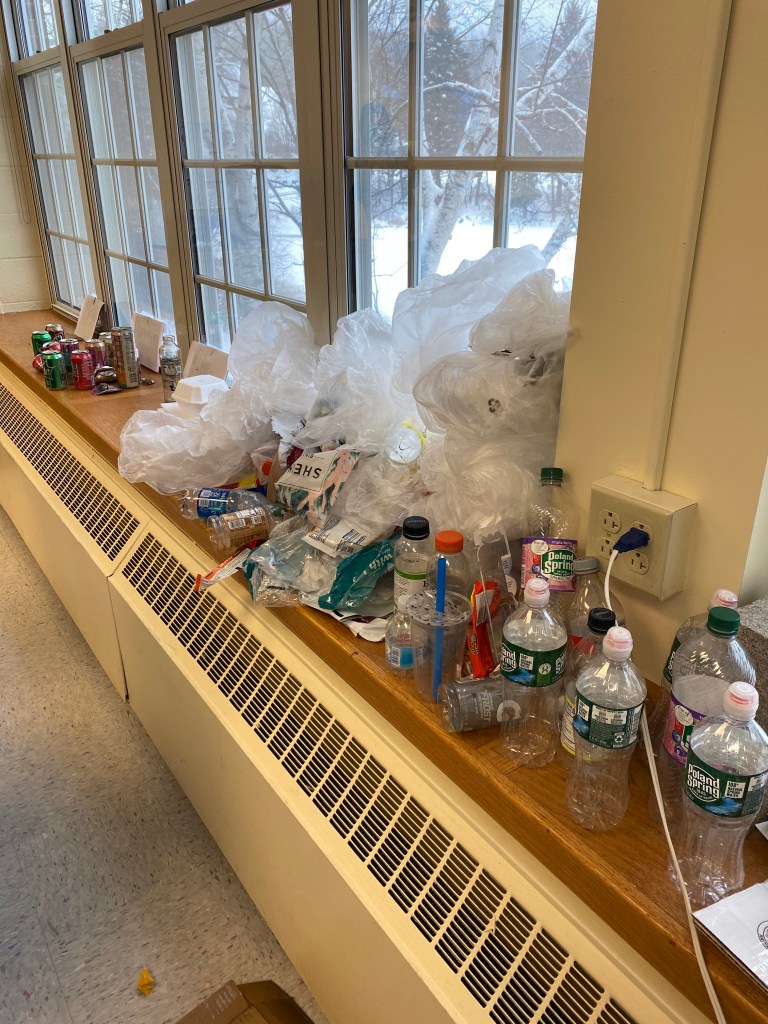
In our AP Environmental Science class we collected all of our trash for a week, and at the end we weighed and counted all of our trash items, and we are ready to take it all to the transfer station!!!
Out of all of the trash we collected, the majority of it was plastic. Trying to get all of the plastic to stay in one place on the counter was hard because there is so much. Its not only the biggest issue in our class but its one of the biggest issues regarding pollution and trash in the whole entire world. Plastic is used to make almost everything these days, and it is not that common to see people reusing plastic these days. I am not at all surprised by the fact that plastic is the most abundant solid waste in our APES class.
2. Describe three significant and specific environmental impacts which are associated with the “life cycle” of the material type which you identified in question 1 above.
Plastic does a lot to this world, and none of it is good. There is so much of it and it causes so many problems. One thing that has been impacted since plastic is our oceans and our marine wildlife. There is between 4.8 and 12.7 million tons of trash in our ocean. Plastic in the ocean can choke animals if they ingest it, even the smallest pieces can kill animals. Another thing is the chemicals and toxins that plastic lets into our ecosystem. It comes from the ocean, and land. Also, plastic is not biodegradable and that is a known thing, however in landfills nothing is biodegrade because they cover it all which prevents air and water from getting underneath the surface which prevents just about everything from biodegrating.
3. If your parents completed this same solid waste project, how do you think their inventories would differ, in terms of types and amounts of materials used in a week or in a year? In addition to your thoughts on this matter, please discuss this question with your parents* and record their specific feedback regarding this point.
I truly think that my parents results would be much different. For my dad, I think he probably has an average amount of trash, he is a doctor which probably produces more trash then some other jobs because of all of the tools and materials they use, however my household and my family does not produce a lot of trash so that would definitely make that amount a lot lower. However my mom, likes to live a clean and healthy lifestyle which absolutely brings the amount of trash she produces to a much lower level, but she is also someone who throws everything out if she thinks its unnecessary. There is no clutter in our house and if there is, she will pick up whatever it is and throw it away. I was not able to talk to my parents, but I talked to my sister and she agrees with my opinion about our parents trash production. My sister and I also talked about how we think the tour parents, and everyone in that generation doesn’t pay enough attention to trash production and we should work on teaching them and making them aware about how bad the trash issue in our world really is.
4. Did you alter your choices about foods eaten and/or items purchased/used during the last seven days, due to the type or amount of packaging? Describe how your choices were modified during this assignment. If you did the bonus portion of the inventory, (the “carry”), was there ever a decision not to, for example, have a little orange juice, because it would mean needing to carry to large juice container around in your solid waste bag(s)?
I definitely did alter some of my choices about what I am eating, drinking, buying, etc. I know that this assignment was not to produce as little trash as possible, however that was our assignment on Ocean and so I think that subconsciously, I tried to produce as close to no trash as I could.
5. Discuss any aspects of this assignment that you found significant, meaningful, and/or worthwhile. Describe any experiences you may have had relating to this inventory/carrying of your MSW around campus for seven days that you think are memorable?
I loved this assignment. This fall I went on Ocean Classroom and we did the same exact thing, however we collected our trash from a whole month of living on a boat. Both of these assignments have taught me so much about myself, and the rest of our planet. Doing these assignments and collecting all of my trash has really brought the issues of trash and pollution to my attention and I really don’t think that this will be my last time doing the same assignment and maybe even voluntarily. I really enjoy learning about issue like these and I hope to never stop learning about it.
6. Would you change anything about this assignment? If”yes” , please describe:
The only thing I would change about this assignment is that I think you should challenge people to produce as little trash as possible. For me, doing that challenged me to do that for all other aspects of my life and to continue doing it after the assignment had already ended. That way, you are learning about all of these issues, while also trying to live as sustainable as you possibly can.
Love Canal: A 70-acre neighborhood in Niagara Falls that used to have a landfill but it became a huge hazard all residents living there because of the pollution and hazardous chemicals in the landfill.
Our homework one night was to watch a movie about Love Canal to prepare for our exciting class the next day, a class with Kent Armstrong!! Not only does Kent run the company Terrastryke Products, but he is also a Proctor parent!! On January 24th 2020, our AP Environmental Science class got the chance to meet Kent and learn about his business and learn about his work experiences properly disposing of hazardous waste products.
Kent made some really amazing points and taught us students lot about what he does. One of the biggest points he made was about how it will contaminate less, and hopefully not spread nearly as much if you leave all of the contamination where it is, that is because moving and transporting this hazardous waste can be extremely dangerous and can end up contaminating more than it was ever supposed to. Kent said, “If someone says it can’t be done, try harder.” Disposing of hazardous waste can be very controversial at times regarding the correct way to dispose of it. Kent uses that sentence to motivate him to work even harder and to have his way of disposing of those chemicals work, and work the best.
Terrastrykes way of disposing fo the hazardous waste that they deal with is to “harness Mother Nature” (Kent Armstrong). The way the do it is through microbes. They ingest the native microbes into the ground that is contaminated to make the amount of them grow and take over. When this strategy works, it is an amazing thing for the earth and Kents company. When it doesn’t work they proceed to “hog and haul” (Kent Armstrong). Hog and haul means that they dig up the ground and haul out the contamination, which can be extremely dangerous for that area and the people working on hauling out of the ground.
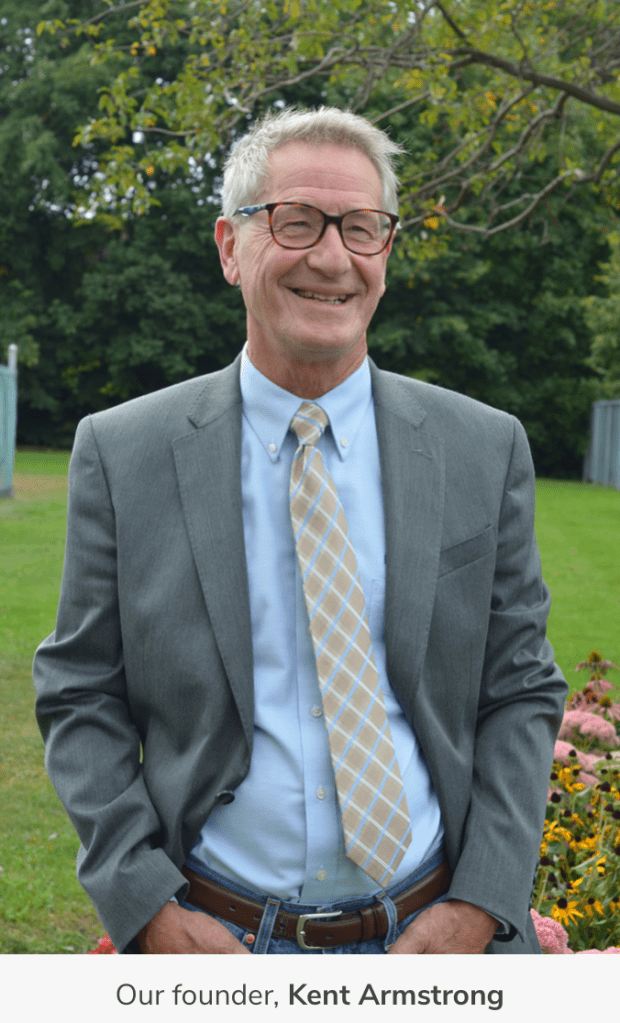
Kent Armstrongs time with our APES class was awesome. At times it was hard to follow along with what he was saying and it felt like he was in a rush sometimes, but it was really informational. Learning more about what we heard in Love Canal and learning about how dangerous the job can be was definitely my favorite part. I am so grateful that Kent came to talk to us!
This is my blog for my AP Environmental Science class!
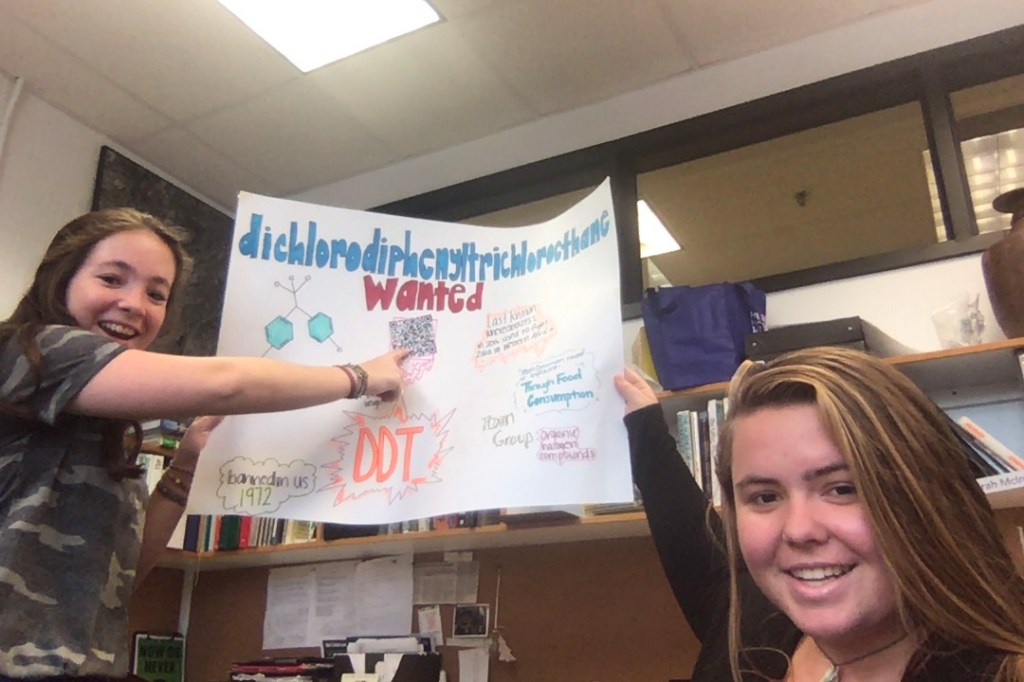
My first blog post is about my presentation on DDT, aka Dichlorodiphenyltrichloroethane. It is a bad chemical that is found in foods like fish, meat and vegetables that can be very bad for you, and sometimes even lethal. Luckily the United States banned DDT in 1972!
Here is the presentation link: https://docs.google.com/presentation/d/1toaxHuXCXV6X7Kap9Y_2dgtHfLu5SgCCz3aRAXlLXKk/edit?usp=sharing
This is an example post, originally published as part of Blogging University. Enroll in one of our ten programs, and start your blog right.
You’re going to publish a post today. Don’t worry about how your blog looks. Don’t worry if you haven’t given it a name yet, or you’re feeling overwhelmed. Just click the “New Post” button, and tell us why you’re here.
Why do this?
The post can be short or long, a personal intro to your life or a bloggy mission statement, a manifesto for the future or a simple outline of your the types of things you hope to publish.
To help you get started, here are a few questions:
You’re not locked into any of this; one of the wonderful things about blogs is how they constantly evolve as we learn, grow, and interact with one another — but it’s good to know where and why you started, and articulating your goals may just give you a few other post ideas.
Can’t think how to get started? Just write the first thing that pops into your head. Anne Lamott, author of a book on writing we love, says that you need to give yourself permission to write a “crappy first draft”. Anne makes a great point — just start writing, and worry about editing it later.
When you’re ready to publish, give your post three to five tags that describe your blog’s focus — writing, photography, fiction, parenting, food, cars, movies, sports, whatever. These tags will help others who care about your topics find you in the Reader. Make sure one of the tags is “zerotohero,” so other new bloggers can find you, too.

 APES Blog - Lila